The 5 Essential Steps After a Coeliac Diagnosis
A coeliac diagnosis can be overwhelming. We have condensed all the essential information into a clear roadmap: the 5 steps to regaining control.
Welcome to the GlutenFreeMap blog!
If you are reading this, chances are that you — or someone close to you — has recently heard the words that mark a before and after: "You have coeliac disease."
We know exactly how you feel. A coeliac diagnosis can be overwhelming. It is a whirlwind of medical information, doubts, fears ("what am I going to eat now?") and a sense of grief for the life you knew. It feels like a change that touches every aspect of your life, from your kitchen cupboards to your social relationships.
But breathe. You are not alone in this.
At GlutenFreeMap, our mission is to turn that confusion into control. The diagnosis is not the end of anything; it is the beginning of your recovery and a healthier life. What you need now is not panic, but a plan.
We have compiled all the essential information into a clear roadmap: The 5 Essential Steps After a Coeliac Diagnosis.
A crucial medical note before we begin: This article assumes you have a formal diagnosis confirmed by a specialist. Never, under any circumstances, begin a strict Gluten-Free Diet (GFD) before completing all diagnostic tests (serology and intestinal biopsy). Doing so can skew the results and delay or prevent a correct diagnosis.
Step 1: Your Medical Roadmap (Baseline Blood Tests)
The diagnosis tells you the why behind your symptoms. Your first step is to find out the how much: the extent of the damage that intestinal malabsorption has caused to your body. Coeliac disease is an autoimmune condition that atrophies the intestinal villi, preventing absorption of vital nutrients.
Your GP or gastroenterologist should prescribe a comprehensive baseline blood panel. This is not a standard check-up; it is a specific profile designed to detect the most common deficiencies caused by coeliac disease.
What should it include?
- Anaemia Profile: Serum iron and, crucially, Ferritin (your iron stores). Iron-deficiency anaemia is one of the most common presentations.
- Key Vitamins: Vitamin B12 and Folic Acid. Their deficiency affects energy, the nervous system, and red blood cell production.
- Bone Profile: Calcium and Vitamin D. Malabsorption of these two is almost universal at diagnosis.
- General Indicators: Haemoglobin, Serum Albumin (nutritional status), and a basic biochemical profile.
- Thyroid Panel: TSH and thyroid hormones. Coeliac disease has a high co-morbidity with other autoimmune conditions, with Hashimoto's thyroiditis being the most common.
The test you must not forget: Ask your doctor to assess the need for a Bone Density Scan (DXA). Chronic malabsorption of calcium and Vitamin D may have reduced your bone mineral density, causing osteopenia or osteoporosis — even in young patients. Knowing this is vital so it can be addressed.
This first step also includes finding a Registered Dietitian specialising in digestive conditions. The doctor gives you the diagnosis, but the dietitian will teach you how to implement the treatment: a gluten-free diet that is nutritionally complete, balanced, and sustainable.
Step 2: Operation Safe Kitchen (Your Cross-Contamination Plan)
This is where the practical change begins. The greatest risk for a coeliac at home — especially in a mixed household — is not accidentally eating gluten outright, but cross-contamination.
The concept you need to engrave in your memory is one we mention on our Instagram: Gluten is a protein, not a virus.
After the pandemic, we all understand how to disinfect against viruses. But gluten does not work that way. It is not "killed" by the heat of a frying pan, "disinfected" by alcohol, or "destroyed" in the freezer. Gluten is only eliminated in one way: mechanical removal — thorough washing with soap and water.
Your goal is to turn your kitchen into a safe zone.
Phase 1: The Big Clean Empty cupboards and pantry shelves. Wipe every surface down thoroughly with soap and water to remove any trace of flour or breadcrumbs. Replace sponges, scourers, and kitchen cloths — these are porous and harbour gluten.
Phase 2: The Non-Negotiables (Dedicated Use) Some items, due to their porous material or design, cannot be fully decontaminated. These must be for coeliac use only or replaced:
- Toaster and Sandwich Press: Impossible to clean on the inside. These are the number-one source of contamination. They must be dedicated.
- Wooden Utensils: Spoons, spatulas, and above all chopping boards. Wood is porous and gluten becomes embedded in the grain. Replace with silicone, metal, or plastic.
- Colanders and Strainers: The mesh is very difficult to clean. Keep a dedicated one.
- Deep Fryer: Shared oil instantly contaminates food. It must be dedicated.
- Scratched Plastic Utensils: Plastic is also porous and scratches accumulate particles.
Phase 3: Shared Items (Strict Protocol Required)
- Oven: Can be shared if kept clean. Golden rule: NEVER use the fan (convection) setting, as it creates a cloud of gluten particles. Always cook your gluten-free food on the top shelf.
- Microwave: Can be shared if kept clean. Always use a clean, dedicated cover over your plate.
- Pots and Pans: (Steel, non-stick, etc.) Can be shared if washed thoroughly with hot water and soap between uses.
Phase 4: Strategic Storage The law of gravity is your ally. Wheat flour is volatile and crumbs fall.
- The Golden Rule: Store GLUTEN-FREE items ABOVE and GLUTEN-CONTAINING items BELOW. This applies to pantry shelves, cupboards, and the fridge.
- Duplicate Spreads: Butter, jam, chocolate spread, etc. must be duplicated (one dedicated "Gluten-Free" jar). The risk of "double-dipping" — inserting a knife with wheat crumbs back into the jar — is extremely high.
Step 3: Becoming a Label-Reading Expert
This is your essential new skill. From now on, you will become a label detective.
The Law That Protects You: EU Regulation 828/2014 In Europe, the law is clear and you need to know it:
- ✅ "GLUTEN-FREE": This is the legal statement guaranteeing a product contains fewer than 20 parts per million (ppm) of gluten — considered the safe threshold for coeliacs.
- ❌ "VERY LOW GLUTEN": This is the most dangerous trap. It means the product contains between 20 and 100 ppm. PRODUCTS LABELLED "VERY LOW GLUTEN" ARE NOT SUITABLE FOR COELIACS.
The Gold-Standard Symbol: The Crossed Grain (ELS) You will see many "Gluten-Free" labels, but the most important in Europe is the Crossed Grain symbol, or European Licensing System (ELS). Why is it superior? Because it is not merely a manufacturer's self-declaration. It is a certification managed by the Association of European Coeliac Societies (AOECS). To obtain it, manufacturers not only guarantee <20 ppm but also undergo annual factory audits to verify their production processes and allergen controls. Note: To be valid, the symbol must be accompanied by a licence code (e.g. ES-XXX-XXX) that ensures traceability.
Reference Gallery: What You Will See in Spanish Supermarkets

Gold Standard (ELS)
Certified in Spain (usually via FACE). Includes annual external factory audits. The safest option.
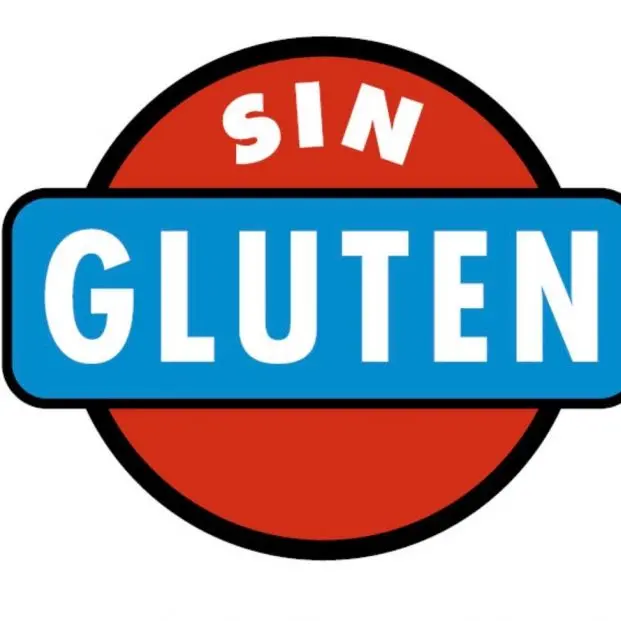
Supermarket Own-Brand Labels
Spanish chains such as Mercadona, Carrefour, and Lidl use their own logos. These are very reliable in Spain due to the strict supplier controls these retailers impose.
Spotting Hidden Gluten
- Key Words: Look for wheat, barley, rye, spelt, kamut, and triticale.
- Derivatives: Watch out for "malt", "malt extract", or "malt syrup" — these come from barley.
- May Contain: If a product is NOT certified "Gluten-Free" but its label warns "May contain traces of gluten", do not consume it.
- The Paradox: Do you see "wheat starch" in the ingredients of a product labelled "Gluten-Free"? Don't panic. It is legal. It means the starch has been processed to remove gluten and the final product meets the <20 ppm threshold.
- Unexpected Places: Gluten is used as a thickener or binder. Look for it in soy sauce (almost always contains wheat), processed meats, ground spices, stock cubes, ice cream, fruit yoghurts, and cream cheeses.
Step 4: Managing the Emotional Impact
Let us talk about this. It is 100% normal to feel overwhelmed, anxious, frustrated, or even depressed after a diagnosis. Multiple studies confirm a higher prevalence of anxiety in coeliac patients.
It is important to understand that this distress is, in many cases, considered an "adjustment disorder". The anxiety does not stem from the condition itself, but from the enormous burden of managing the diet and the constant fear of contamination.
The good news? If anxiety is born of uncertainty, the direct antidote to anxiety is competence.
Every time you master Step 2 (your kitchen) and Step 3 (the supermarket), you are actively treating that anxiety. Every safe meal you prepare and every label you read correctly gives you back control.
Build Your Support Network: You do not have to do this alone.
- Educate Those Around You: Talk to your family and friends. Explain calmly but firmly that this is not a "fad diet" — it is the medical treatment for an autoimmune condition. Explain what cross-contamination means and why "just one crumb" does cause real harm.
- Find Your Community: This is where we come in. Follow our Instagram profile, read our articles, and most importantly, participate. Share your experiences, fears, and tips in the comments. At GlutenFreeMap we are building the community we wish we had found: a safe, knowledgeable, supportive space.
Step 5: Reclaiming Your Social Life (Protocol for Eating Out)
This is usually the biggest source of anxiety: eating out. The fear of contamination in someone else's kitchen can lead to isolation.
Do not let that happen. This is not about avoiding going out — it is about managing risk with a clear protocol.
Phase 1: Before You Go (Research)
- Use Technology: Check specialist apps and websites (like glutenfreemap.es) that filter restaurants reviewed by other coeliacs for safety.
- Call Ahead: This is the most important step. Call the restaurant (ideally during a quiet time) and ask to speak to the manager or head chef.
Phase 2: The Golden Question When calling or on arrival, do not ask: "Do you have gluten-free options?" Many places now say "yes" referring to dishes that contain no gluten in their ingredients but are prepared on the same grill or in the same fryer as everything else.
The correct question — the "Golden Question" — is: "Hello, I have coeliac disease. How do you manage cross-contamination in the kitchen?"
Their answer will tell you everything you need to know. If they hesitate, seem unfamiliar with the term, or say "we use the same grill but wipe it down a bit", leave. If they answer confidently — "we use a separate grill, a dedicated fryer, and clean utensils" — you have found a safe place.
Phase 3: When Ordering (Risk Reduction)
- Avoid Fried Food: Unless the restaurant can guarantee a dedicated fryer, avoid anything fried.
- Avoid Complex Dishes: The more sauces, stews, and elaborate preparations, the higher the risk of gluten finding its way in.
- Choose Simple: The safest options are grilled meat or fish (ask them to clean the grill thoroughly or use foil), steamed vegetables, or salads (ask for oil and vinegar in their original bottles, not pre-made dressings).
The Law Protects You: EU Regulation 1169/2011 requires all food businesses to be able to inform you about the 14 major allergens, including gluten. You are not asking a favour — you are exercising a legal right.
And the final rule, which never fails: When in doubt, don't eat it.
Conclusion: Welcome to Your New Life
A coeliac diagnosis is an instruction manual you never asked for, for a body you thought you knew. At first, it seems like a foreign language. But step by step, kitchen by kitchen, and label by label, you will start to master it.
These 5 steps are your foundation. With time, practice, and the right support, what today feels like a titanic effort will become second nature. The reward is immense: the healing of your intestine, the remission of your symptoms, and the recovery of a health and energy you may have forgotten you could have.
Welcome to your new life. And welcome to GlutenFreeMap. We are here to accompany you every step of the way.